
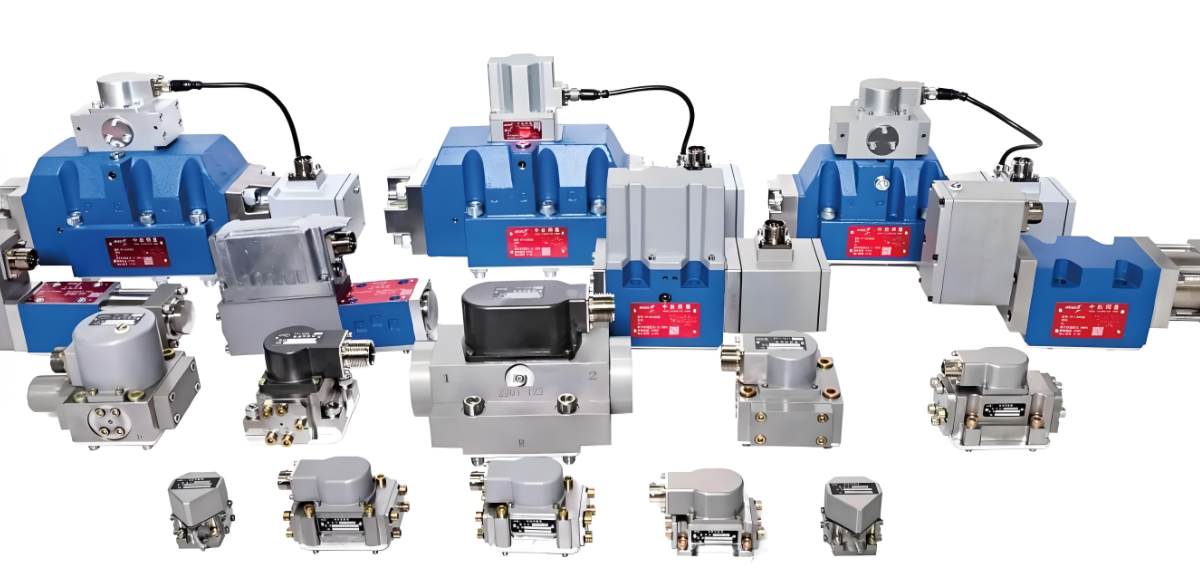
The design and manufacturing of hydraulic pitch control servo valves need to consider multiple factors, including but not limited to reliability, durability, response speed, and accuracy. To meet the requirements of wind power systems for high efficiency and reliability, these components are usually made of high-quality materials such as corrosion-resistant stainless steel and high-strength alloy steel, and advanced manufacturing processes are adopted to ensure their stability and performance under extreme working conditions.
In wind farms, the performance of the hydraulic pitch control servo valve directly affects the safe operation and power generation efficiency of wind turbines. Therefore, regular maintenance and inspection of these components are crucial. This includes checking the cleanliness of the hydraulic oil to ensure that no impurities enter the system and affect the performance of the servo valve; checking the condition of the seals to prevent leakage and affect the efficiency of the system; and conducting regular performance tests of the servo valve to ensure that it can operate normally according to the design requirements.
With the development of technology, the future hydraulic pitch control servo valves for wind power equipment will develop towards greater intelligence, integration, and efficiency. For example, by integrating sensors and intelligent control technology, it is possible to achieve real-time monitoring and fault diagnosis of the servo valve's operating status, further enhancing the reliability and efficiency of the system. At the same time, through optimized design and the use of new materials, the durability and response speed of the servo valve can be further improved, providing more reliable and efficient solutions for the wind power industry.
In summary, the hydraulic pitch control servo valve is a crucial component in wind power equipment, and its performance directly affects the safe operation and power generation efficiency of wind turbines. With the advancement of technology, these components will become more intelligent and efficient in the future, providing stronger support for the development of the wind power industry.