
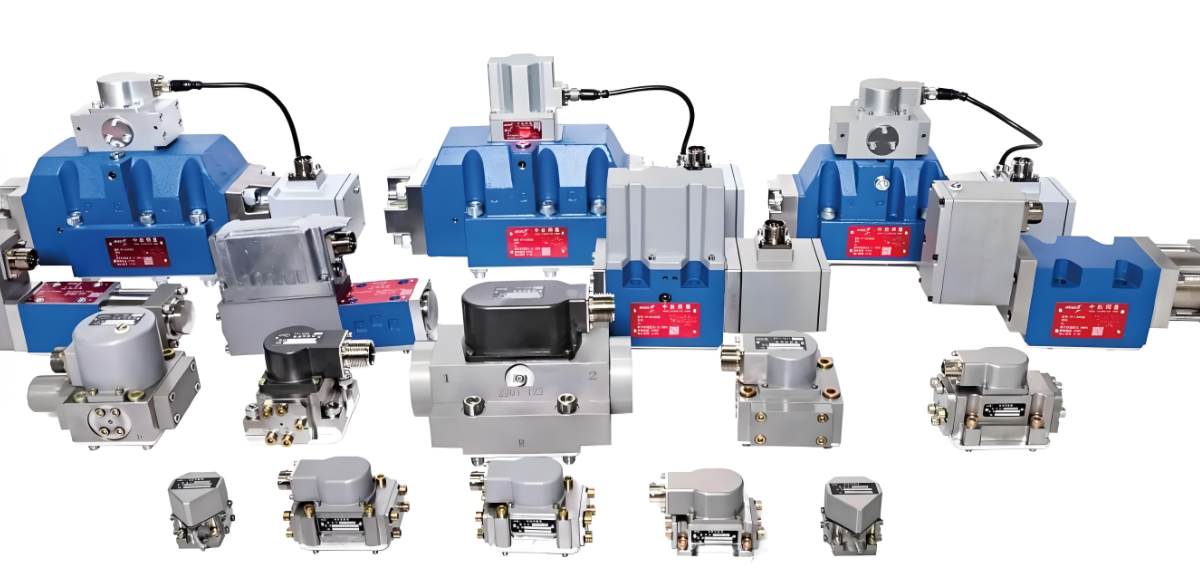
With the development of advanced manufacturing technology, modern design technology, microelectronics technology, and the application of new functional materials, high-precision, high-frequency response, high reliability, low-cost, digital, intelligent, miniaturized, and green electro-hydraulic servo valves are already under development. The successful development of these electro-hydraulic servo valves will undoubtedly bring greater improvement to the performance of electro-hydraulic servo control systems.
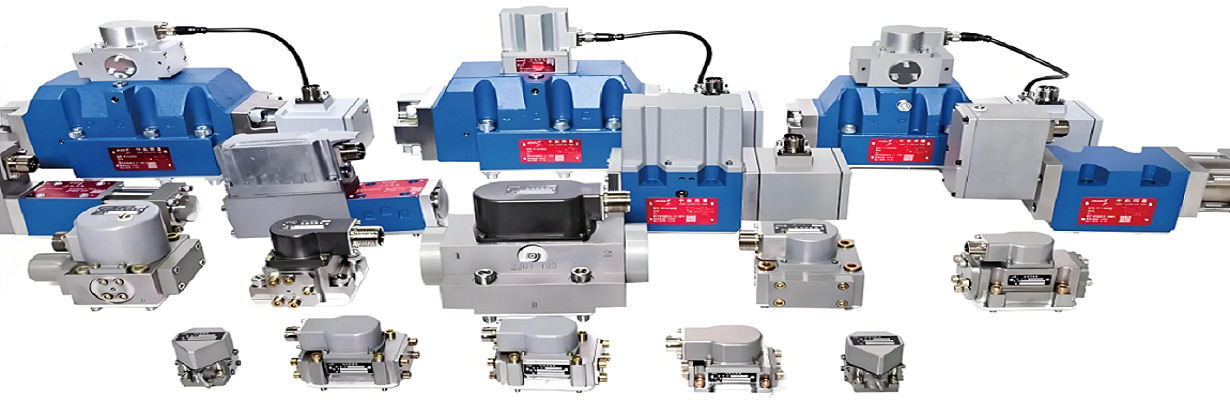
In terms of structural improvement, common faults of servo valves are analyzed, and improvement plans are proposed. Computer aided design (CAD) and computer-aided manufacturing (CAM) methods are used to optimize the structure to meet the performance requirements of valves, such as the emergence of direct drive servo valves and piezoelectric ceramic servo valves. In addition, the mechanism of the servo valve has been modified using three margin technology, by making multiple sets of torque motors, feedback components, and slide valve pairs of the servo valve. If a critical component fails, another backup set can be switched at any time to ensure the normal operation of the valve and improve the reliability and service life of the system.
In terms of material replacement, materials with superior mechanical properties such as strength, elasticity, and hardness can be used for specific parts based on the performance requirements of the electro-hydraulic servo valve. Replacing the material of the sealing ring can improve the high-pressure and corrosion-resistant performance of the servo valve. Using ruby material to make nozzle baffles can prevent damage to the baffles and nozzles caused by air feedback, reduce dynamic and static performance, and shorten working life. In addition, the material of the electromagnet in the permanent magnet torque motor is made of super magnetostrictive material, which can improve the dynamic response characteristics of the electro-hydraulic servo valve.
In terms of testing, when testing the dynamic and static characteristics of electro-hydraulic servo valves, the influence of the measuring instrument itself and the interference of external electromagnetic signals can all affect the test results, and in severe cases, the performance of the servo valve cannot be accurately reflected.
The electro-hydraulic servo valve is an important control component in the electro-hydraulic servo control system, which plays a role in electro-hydraulic conversion and power amplification in the system. Specifically, during system operation, it directly receives electrical signals transmitted by the system and converts them into proportional signals with corresponding polarity that can control the load flow or load pressure of the electro-hydraulic servo valve, thereby enabling the system to output a large hydraulic power to drive the corresponding actuator. The performance and reliability of electro-hydraulic servo valves will directly affect the performance and reliability of the system, and are key components that attract attention in electro-hydraulic servo control systems. Electro hydraulic servo valves have the advantages of fast dynamic response, high control accuracy, and long service life, and have been widely used in electro-hydraulic servo control systems in aviation, aerospace, shipbuilding, metallurgy, chemical and other fields.