
The role of servo valves in vehicle collision test equipment
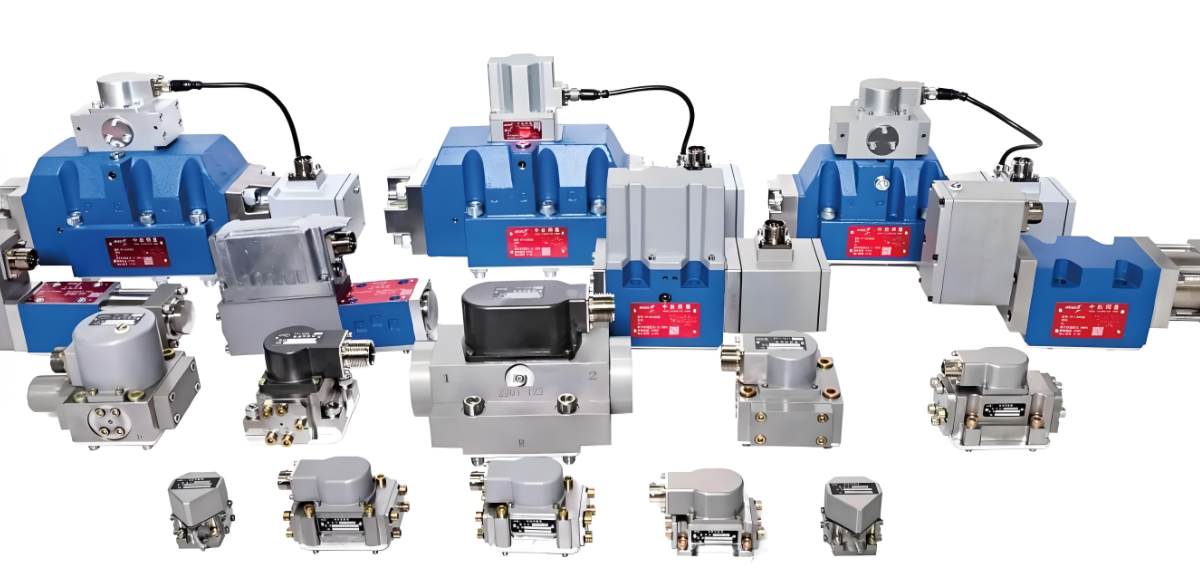
The servo valve is an electronic hydraulic control device that can accurately control flow and pressure. In vehicle collision tests, the hydraulic system plays the role of transmitting energy, while the servo valve is responsible for precisely controlling the release and absorption of this energy to ensure the safety and controllability of the test process. By adjusting the pressure and flow of the hydraulic system, the servo valve can simulate different types of collision situations, such as frontal collisions, side collisions, and rollovers, to evaluate the safety performance of the vehicle in various collision scenarios.
Technical characteristics of servo valves
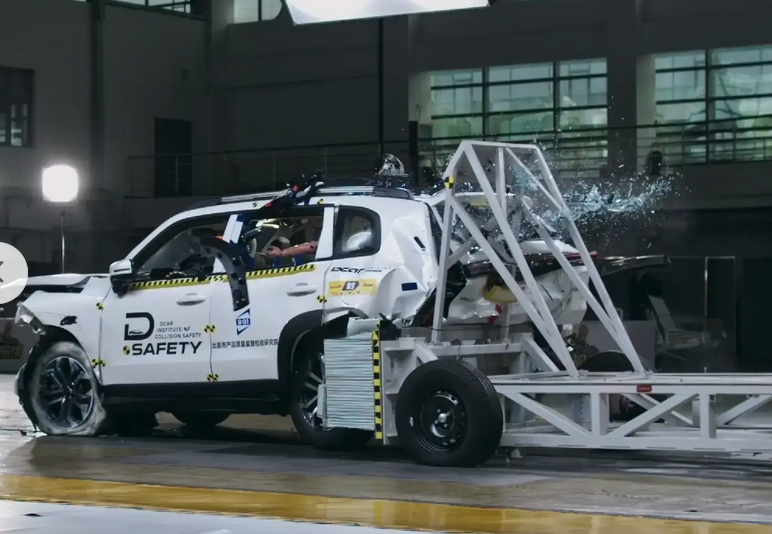
High precision control: The servo valve can achieve extremely high flow and pressure control accuracy, which is crucial for accurately simulating various situations during the collision process.
Fast response speed: The servo valve can quickly respond to control commands, which is very critical for simulating rapidly changing collision situations.
High reliability: Under high load and complex environments, the servo valve can maintain a stable working state, ensuring the accuracy of the test results.
Future Trends
With the continuous improvement of vehicle safety standards, the requirements for vehicle collision test equipment are also increasing. The future vehicle collision test equipment will rely more on advanced servo valve technology to achieve more accurate test results and higher safety. At the same time, with the development of intelligent control technology, the integration and intelligence of servo valves will become a key direction for future research and application.
In summary, the servo valve in the vehicle collision test equipment is a key component, whose performance directly affects the accuracy and safety of the test. Through continuous technological innovation and optimization, the servo valve will play a greater role in improving the safety performance of vehicles.