
In the field of industrial automation and testing, the servo valve stands as a core component that bridges the gap between control signals and mechanical actuation, playing an irreplaceable and crucial role. As a key element of the servo system, it possesses the ability to precisely regulate fluid flow, pressure, and direction in hydraulic or pneumatic circuits, thereby achieving accurate control over the movement parameters (such as position, speed, and force) of mechanical equipment. The performance of the servo valve—encompassing response speed, control accuracy, stability, and fatigue resistance—directly determines the overall operational efficiency and reliability of the entire servo system. Against this backdrop, the dynamic load simulation servo valve emerges as a specialized testing device designed to conduct dynamic performance verification and comprehensive evaluation of servo valves. By simulating the complex and variable load conditions that servo valves encounter in actual industrial applications, it provides an effective means to assess the adaptability and robustness of servo valves under real-world operating scenarios.
Unlike static testing methods that only evaluate servo valve performance under fixed load conditions, the dynamic load simulation servo valve excels in replicating the transient and dynamic load changes inherent in practical work environments. This includes simulating a wide range of load types and characteristics, such as constant loads (typical in steady-state industrial processes like constant-pressure clamping), step loads (common in sudden start-stop or load-switching scenarios, such as robotic arm picking and placing operations), linearly varying loads (e.g., the gradual loading process in material tensile testing), sinusoidal fluctuating loads (frequently encountered in vibration-prone equipment like hydraulic presses), and even random load disturbances (caused by factors such as uneven material quality or external environmental impacts in manufacturing processes). By subjecting the tested servo valve to these dynamically changing load conditions, the dynamic load simulation servo valve can capture key performance indicators that static testing might overlook, such as dynamic response time, overshoot amplitude, load disturbance rejection capability, and long-term stability under cyclic load fatigue. These detailed dynamic test data are of paramount significance for engineering technicians to optimize the structural design of servo valves (e.g., improving the flow control core, optimizing the feedback mechanism), refine the control algorithm parameters, and enhance the overall performance and service life of the product. For instance, in the development of high-precision servo valves used in aerospace equipment, the data obtained from dynamic load simulation testing directly guides the improvement of valve core matching accuracy and the selection of high-performance sealing materials, ensuring that the servo valve can maintain stable performance under the dynamic load fluctuations during aircraft takeoff and landing.ta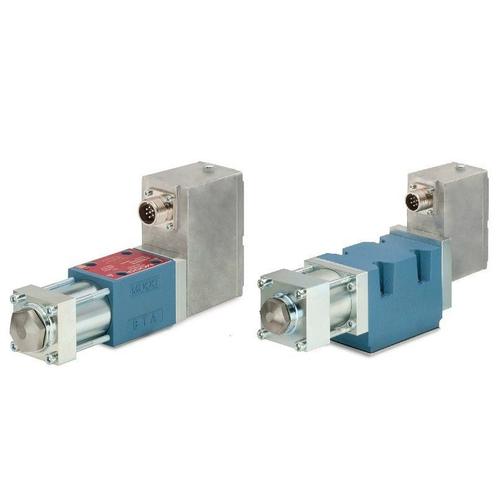 The dynamic load simulation servo valve typically adopts a modular design, consisting of two core components: the load simulation unit and the tested servo valve, along with supporting auxiliary systems such as a hydraulic/pneumatic power source, a high-precision sensor detection system, and a real-time control system. The load simulation device, as the core of the entire testing system, is equipped with high-response proportional valves or servo cylinders that can generate preset dynamic load signals according to the test requirements. It achieves precise simulation of different load types by adjusting the output pressure or flow of the fluid circuit in real time. To ensure the accuracy of load simulation, advanced force/torque sensors and displacement sensors are integrated into the load simulation unit to collect real-time load data and feed it back to the control system, forming a closed-loop control loop that dynamically adjusts the load output to match the preset load curve. The tested servo valve, on the other hand, is integrated into the test circuit and is responsible for adjusting its own output flow and pressure according to the control commands from the system, in an attempt to maintain the stability of the fluid flow in the system under the dynamically changing load conditions. During the testing process, the real-time control system coordinates the operation of the load simulation unit and the tested servo valve, synchronously collects and analyzes various performance parameters (such as input control signals, output flow/pressure of the tested valve, load changes, and response time), and generates detailed test reports. This integrated simulation and testing system enables comprehensive and in-depth understanding of the performance characteristics of the servo valve in actual working conditions, thus providing a solid scientific basis for the design optimization, performance improvement, and quality control of servo valves.
In practical industrial applications, the dynamic load simulation servo valve demonstrates extensive versatility and practical value, with its application scope covering not only the performance testing of individual servo valves but also the comprehensive evaluation of the entire servo system. In the field of servo valve production and quality inspection, it serves as a key testing equipment to ensure product consistency and reliability—each batch of factory servo valves must pass dynamic load simulation testing to verify that their performance meets the design standards, effectively filtering out unqualified products. In the debugging and optimization of servo systems (such as large-scale CNC machine tools, industrial robots, and precision injection molding machines), the dynamic load simulation servo valve can simulate the actual load changes that the system will encounter during operation, helping technicians evaluate the overall response speed, control accuracy, and stability of the servo system. This allows for the early identification of potential problems in system matching (such as mismatches between the servo valve and the actuator) and the optimization of system parameters to improve the overall performance of the system. Additionally, in the field of servo valve fault diagnosis and maintenance, the dynamic load simulation servo valve plays a unique role. By simulating specific fault load conditions (such as partial blockage of the servo valve flow channel, wear of the valve core, or failure of the feedback sensor), maintenance personnel can quickly locate the fault point of the faulty servo valve, analyze the root cause of the fault, and formulate targeted maintenance plans. This not only improves the efficiency of fault diagnosis and maintenance but also reduces the downtime loss caused by servo valve failures in industrial production.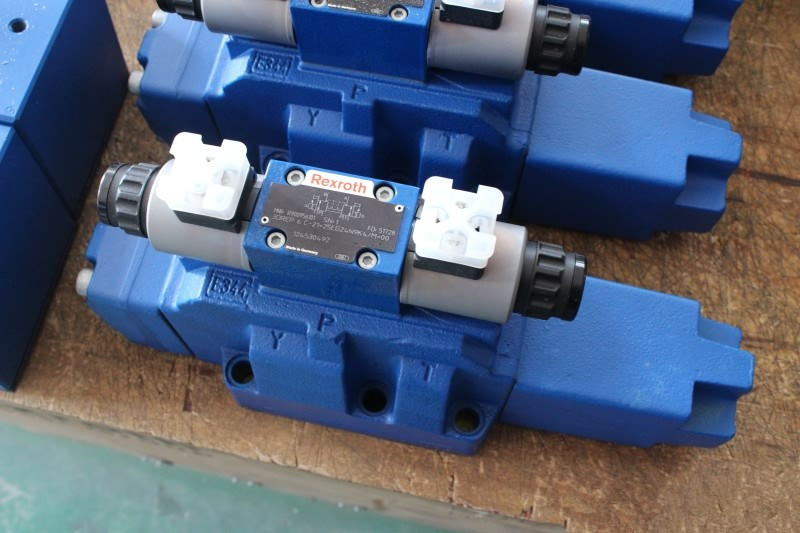 With the continuous advancement of industrial automation technology, especially the rapid development of intelligent manufacturing, the requirements for the performance of servo valves are becoming increasingly stringent, which in turn drives the continuous innovation and upgrading of dynamic load simulation servo valve technology. In recent years, the integration of emerging technologies such as industrial Internet of Things (IIoT), big data analytics, and artificial intelligence (AI) has injected new vitality into the development of dynamic load simulation servo valves. For example, by connecting the dynamic load simulation testing system to the industrial Internet, real-time monitoring and remote control of the testing process can be achieved, enabling cross-regional data sharing and collaborative testing. The application of big data analytics technology allows for in-depth mining and analysis of the massive test data generated during the dynamic load simulation process, identifying potential performance degradation trends of servo valves and providing predictive maintenance suggestions for industrial equipment. The introduction of AI algorithms, such as machine learning, enables the dynamic load simulation system to automatically optimize the test parameters according to the type and performance characteristics of the tested servo valve, improving the efficiency and accuracy of the testing process. Moreover, with the increasing demand for miniaturization and high integration of industrial equipment, the dynamic load simulation servo valve is also developing towards a more compact structure, lighter weight, and lower energy consumption. For instance, the adoption of integrated microfluidic components and high-efficiency energy recovery systems reduces the overall volume of the testing equipment and lowers energy consumption during the testing process, making it suitable for on-site testing of servo valves in narrow industrial spaces.
In summary, as an indispensable key testing equipment in the field of industrial automation and servo valve research and development, the dynamic load simulation servo valve plays a pivotal role in the performance evaluation, design optimization, quality control, and fault diagnosis of servo valves. By accurately simulating the complex dynamic load changes in actual industrial applications, it fills the gap between laboratory static testing and on-site practical application, ensuring that the servo valve can meet the high-precision and high-stability requirements of modern industrial production. Looking into the future, with the continuous integration of advanced technologies such as intelligence, networking, and miniaturization, the dynamic load simulation servo valve will further expand its application fields—penetrating into emerging industries such as new energy (e.g., testing of servo valves in wind turbine pitch control systems), intelligent transportation (e.g., performance testing of servo valves in high-speed rail braking systems), and medical equipment (e.g., precision control servo valve testing in medical robots). It will continue to make greater contributions to promoting the progress of industrial automation technology, improving the core competitiveness of high-end equipment manufacturing, and advancing the intelligent transformation of the industry.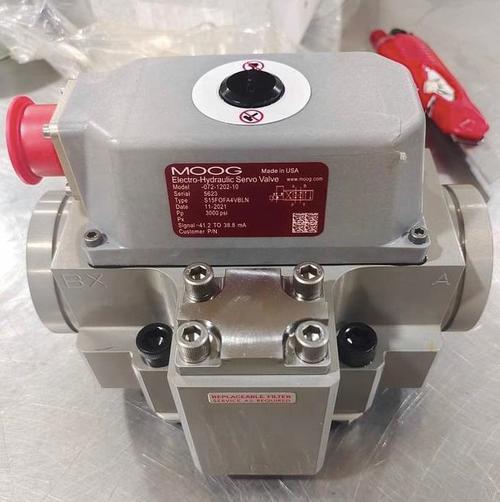
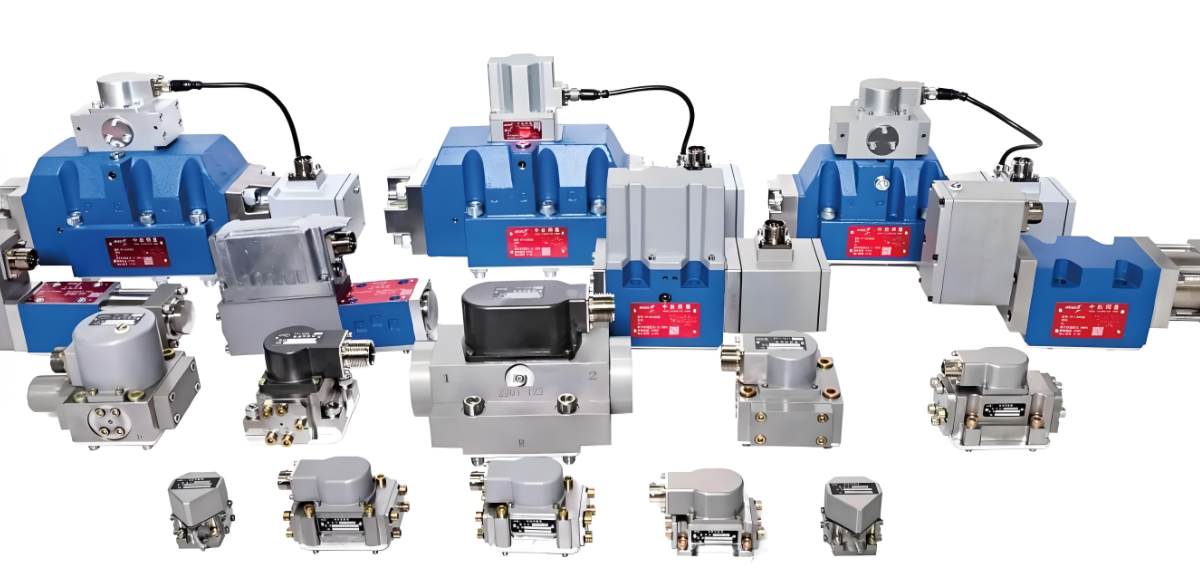
Test bench dynamic load simulation servo valve
2026-01-14 Visits: