
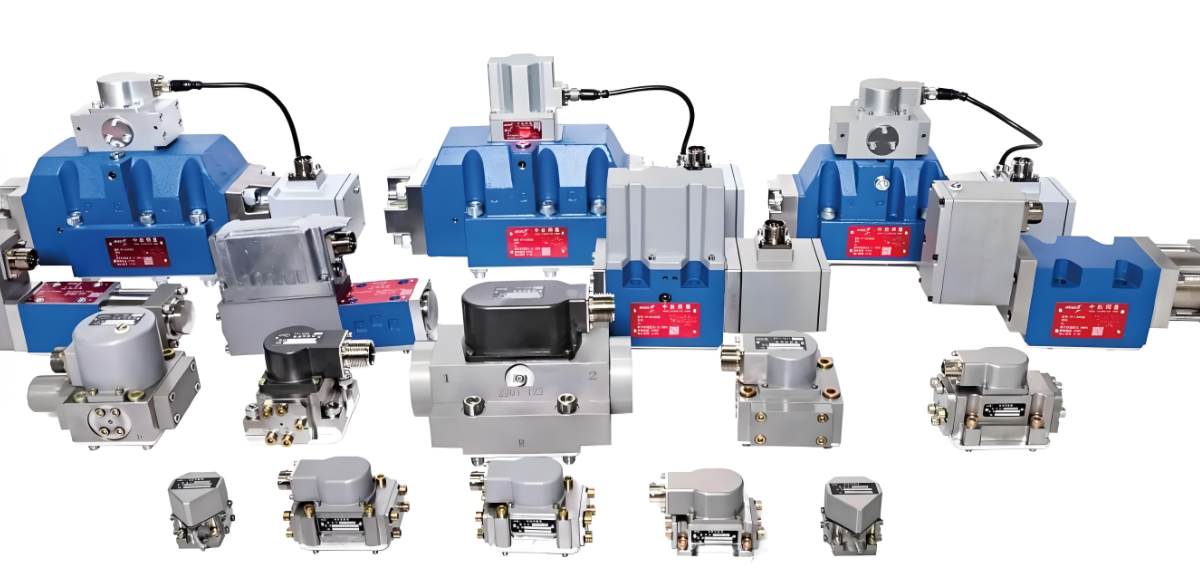
In modern industry and scientific research, the high-frequency vibration test bench is an indispensable equipment used to test and evaluate the performance of various mechanical and electronic equipment under high-frequency vibration conditions. One of the core components of the high-frequency vibration test bench is the servo valve, which plays a crucial role in the test process. The performance of the servo valve directly affects the accuracy and stability of the entire test bench.
Servo valves are actuators used for precise control of fluid flow, and their working principle is to adjust the position of the valve core through electrical signals to control the flow rate and direction of the fluid. In the high-frequency vibration test bench, the main task of servo valves is to accurately control the flow rate of the test medium (such as air or liquid) according to the test requirements, ensuring that the flow of the medium during the test process can be carried out in accordance with the set pattern to simulate different frequency and amplitude vibration environments.
The performance requirements of servo valves are extremely high, and they need to maintain stable performance under high-frequency vibration conditions. This requires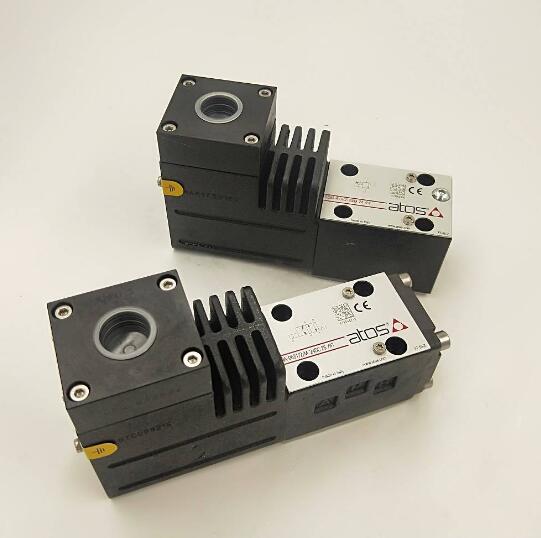 precise internal structure design, excellent material selection, and high-precision manufacturing processes. At the same time, servo valves also need to have high response speed, high-precision control, and long service life to ensure the accuracy and reliability of the test.
With the advancement of science and technology, the design and manufacturing technology of servo valves is also constantly improving. For example, the use of advanced microelectronics technology and precision processing technology can improve the control accuracy and response speed of servo valves; through optimizing the valve core structure and material selection, the stability and service life of the valve under high-frequency vibration conditions can be improved. In addition, the integrated design and modular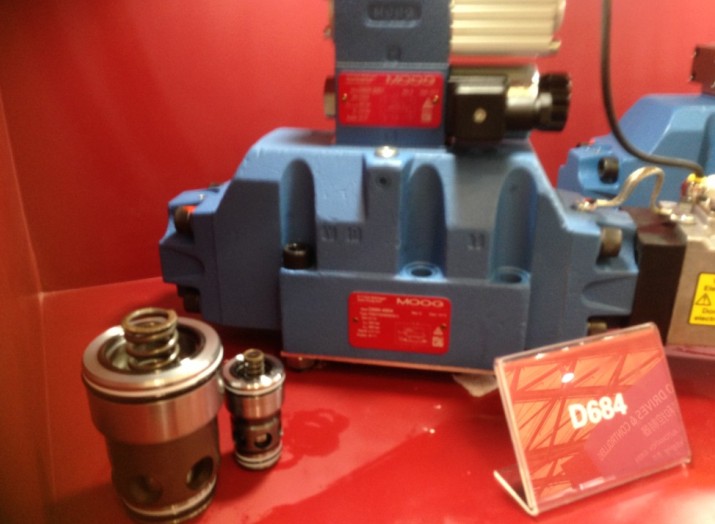 structure of servo valves also make their installation and maintenance more convenient.
The servo valve of the high-frequency vibration test bench is widely used in industrial and scientific research fields, including but not limited to automotive parts testing, aerospace equipment testing, and electronic component testing. It not only helps researchers and engineers better understand the performance of equipment under high-frequency vibration conditions but also provides important data support for product design and optimization, thereby improving product reliability and safety.
In summary, the servo valve of the high-frequency vibration test bench, as one of its core components, directly affects the accuracy and stability of the test. With the advancement of technology, the design and manufacturing of servo valves are also continuously optimized, and their application prospects in the field of high-frequency vibration testing are even broader in the future.