
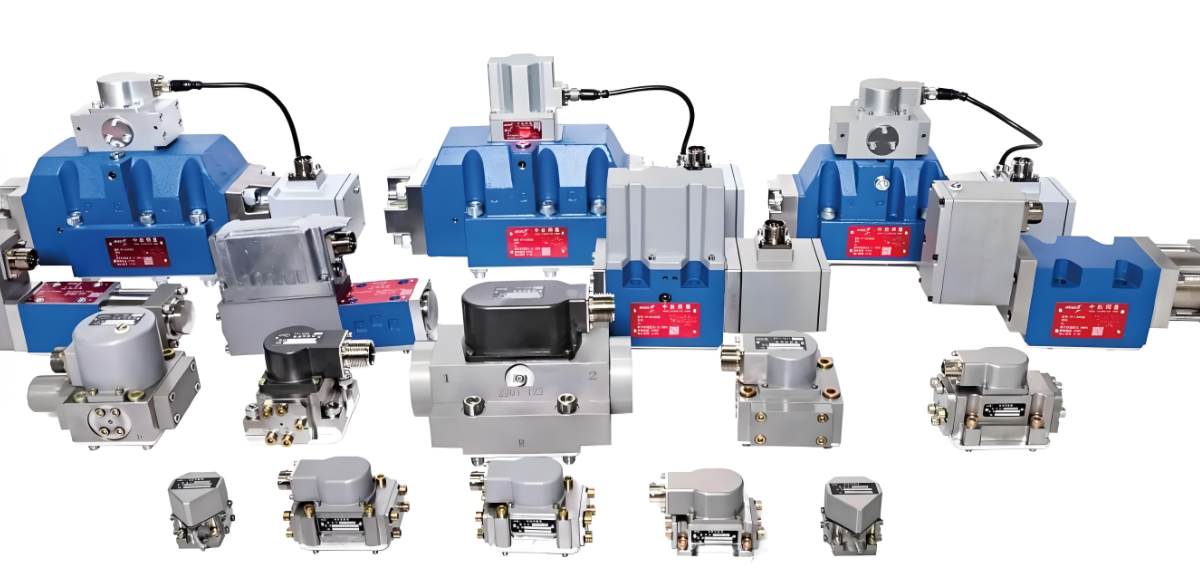
Structure and working principle
The loader bucket control servo valve is mainly composed of the valve body, electromagnet, valve core, valve seat, and seals. Its working principle is to change the position of the valve core through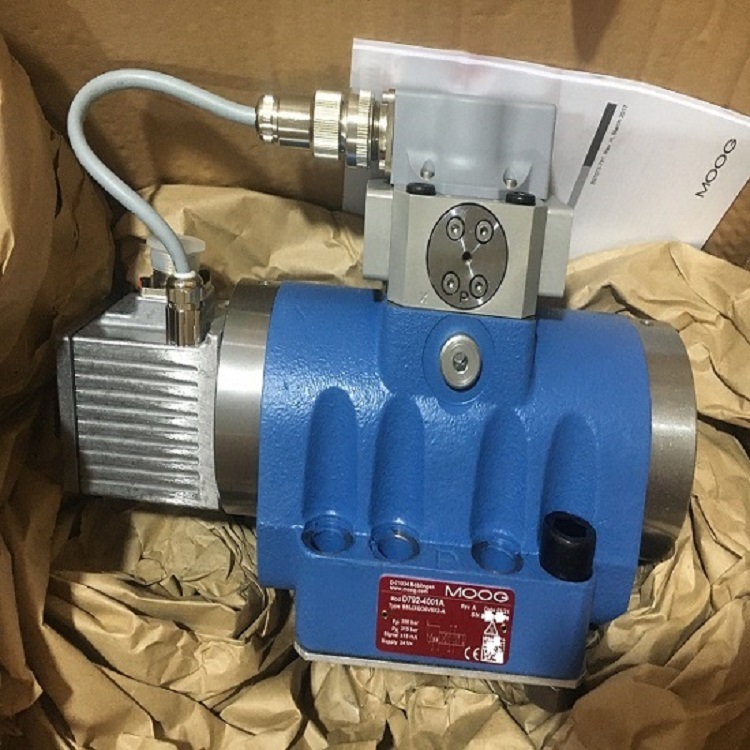 the energization or de-energization of the electromagnet, thereby controlling the flow direction and flow rate of the hydraulic oil, and then controlling the bucket.
Electromagnet: When the electromagnet is energized, it generates an electromagnetic force that pushes the valve core to move.
Valve core: The valve core moves within the valve body, changing the flow path of the hydraulic oil.
Valve seat and seal: Ensure the sealing of hydraulic oil during the movement of the valve core to prevent leakage.
When the electromagnet is energized, the valve core changes the flow direction of the hydraulic oil according to the movement direction of the electromagnet, thereby controlling the bucket's lifting or lowering. When the power is turned off, the valve core returns to its initial position, and the flow of hydraulic oil stops.
Importance in practical applications
Improve operational efficiency: By precisely controlling the bucket's lifting and lowering, the working efficiency of the loader can be improved, and the operation time can be reduced.
Improve operational safety: Precise control can prevent the bucket from dropping too quickly, which may cause goods to fall, and can also prevent the operator from being injured by rapid ascent.
Reduce energy consumption: By precisely controlling the bucket's movement, the pressure fluctuations in the hydraulic system can be reduced, thereby reducing energy consumption.
Conclusion
The loader bucket control servo valve, as an important part of the loader hydraulic system, plays an irreplaceable role in improving the working efficiency, operational safety, and reducing energy consumption of loaders. With the advancement of technology, the design of the loader bucket control servo valve is also continuously optimized to adapt to more complex working environments and higher operational requirements.