
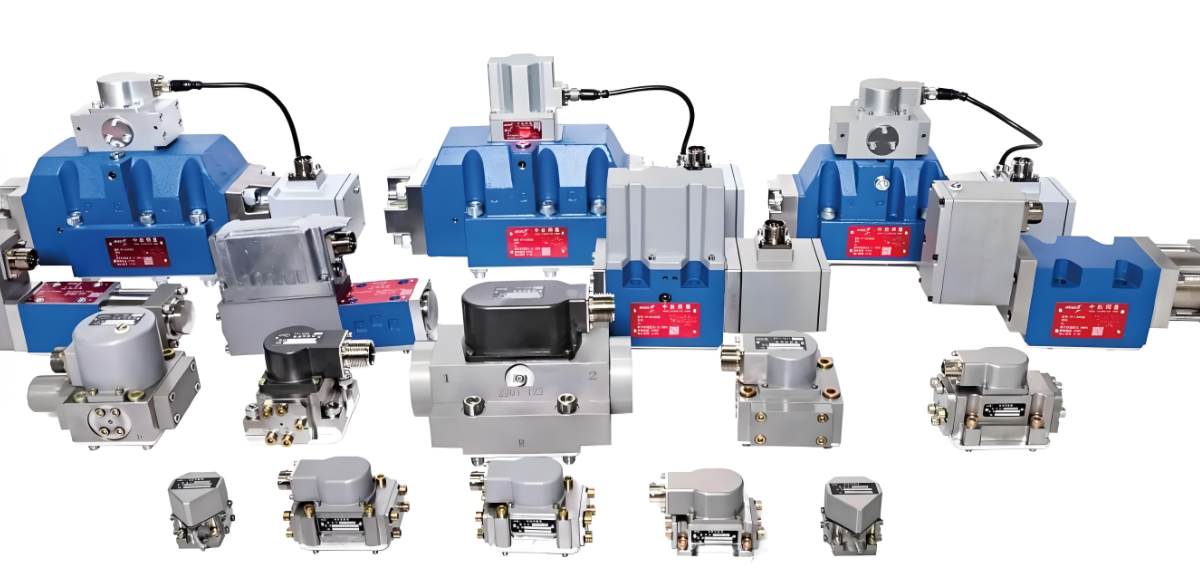
The miniature servo valve is a key component used to control fluid flow, which achieves precise control of the flow rate, direction, and pressure of the fluid to control mechanical equipment. In small and medium-sized mechanical automation, the application range of servo valves is very wide, including but not limited to injection molding machines, blowing machines, printing machinery, packaging machinery, and other equipment, which require servo valves to ensure their working accuracy and stability for automated control.
Shanghai Hydrotac's miniature servo valve has become the choice of many small and medium-sized mechanical manufacturers due to its excellent performance and reliable quality. They can provide comprehensive services from design, manufacturing to technical support, ensuring the efficient operation of the equipment. For example, in injection molding machines, precise control of injection pressure and speed can significantly improve the quality and production efficiency of injection molded products; in blowing machines, precise control of gas flow by the servo valve can achieve consistency in bottle shape and blow molding accuracy; in printing machinery, precise control of ink distribution and speed by the servo valve can improve printing quality and reduce waste rate.
In addition, Shanghai Hydrotac's miniature servo valve also boasts high precision, low noise, and long service life, which can adapt to various harsh working environments. These characteristics not only improve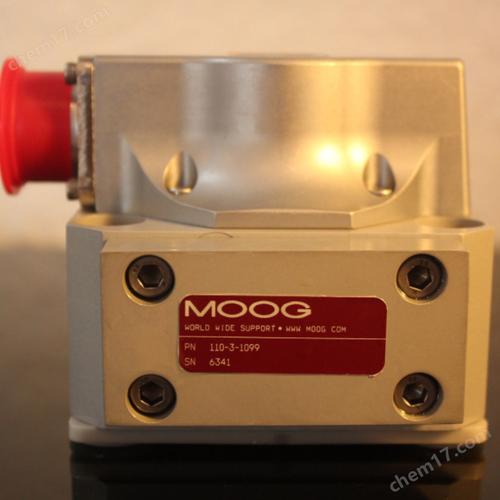 the service life of the equipment but also reduce maintenance costs, making small and medium-sized mechanical automation systems more economical and reliable.
In summary, Shanghai Hydrotac's miniature servo valve has become an indispensable key component in the field of small and medium-sized mechanical automation due to its excellent technical performance and reliable quality. By using these advanced servo valve technologies, small and medium-sized mechanical manufacturers can achieve efficient automation of equipment, thereby improving overall production efficiency and product quality, and promoting the entire industry towards a more intelligent and automated direction.